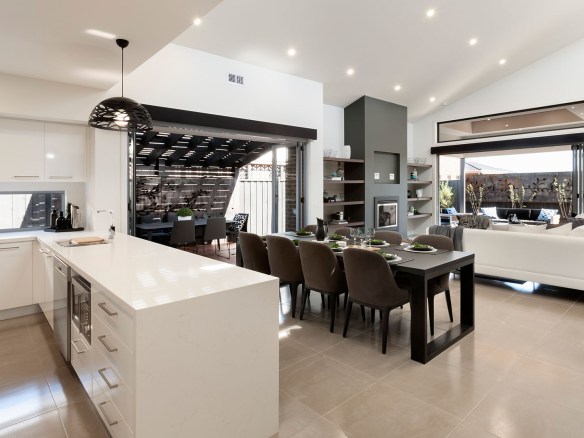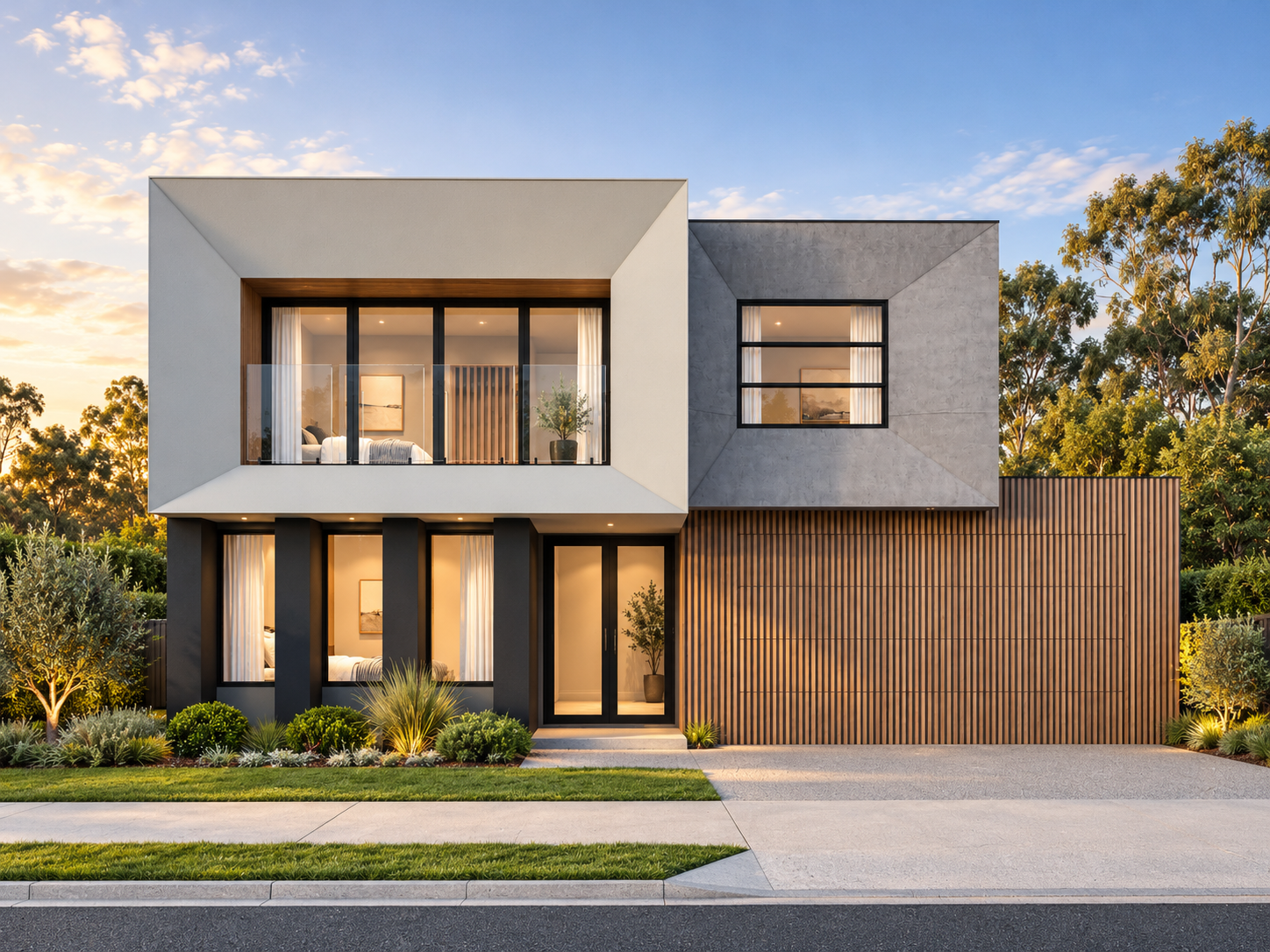
Walking through display homes in Melbourne is an exciting part of planning a new build, but after three or four homes in an afternoon, the kitchens start to blur together, the brochures pile up, and it’s hard to remember which home had the layout you liked and which one simply had good styling.
A little preparation changes that. If you go in knowing your budget, your block and the questions you want answered, your first display centre visit can give you the ideas you’re looking for and even tell you which home builders are worth a second conversation.
Why It’s Worth Booking a Time
Most display homes are open for walk-ins, and there’s nothing wrong with dropping by for a first look. But weekends can get busy, and a consultant may be juggling several families at once.
Booking a time means someone can sit down with you, look at your block details and answer your questions properly. It also means you leave with information specific to your situation, rather than a general price list.
Before You Go: Prepare a Rough Budget
You don’t need a final number, but a rough budget helps the conversation start in the right place. Think about:
- Your borrowing capacity: Talk to a lender or broker before your visit to set a realistic ceiling.
- Land and build as separate figures: If you already own land or have one secured, separate the land cost from what’s left for the build.
- Site costs: Soil type, slope and services can all affect the cost of preparing your block. Until you have a soil test, it’s sensible to allow a buffer.
- Everything after the build: Driveways, landscaping, fencing, window furnishings and appliances are often budgeted separately.
- A contingency: Leaving some room in your budget gives you more flexibility when you make selections.
What to Bring
- Your block details. Lot width and depth, the estate name, and whether the land is titled. If you have a land contract or plan of subdivision, bring a copy.
- Estate design guidelines. Many growth corridor estates have rules on facades, setbacks and materials that affect which designs will be approved.
- Your rough budget, so the consultant can point you towards designs that fit.
- A tape measure and your key furniture measurements, such as your dining table, sofa and beds.
- A short list of must-haves, for example a downstairs bedroom, a home office, a second living area or a large pantry.
- Your phone, for photos, notes and floorplan screenshots.
Plan Your Day
It’s tempting to see as many display homes as possible in one weekend, but most people find two or three builders is the limit before everything starts to run together. Pick the builders you’re most interested in, look at their floor plans and virtual tours online first, and use your visit to see the designs that already made your shortlist.
If you can, avoid the busiest part of a weekend. Early afternoons on a weekday are usually quieter, which gives you more time with a consultant and more space to walk through each home at your own pace.
What to Look at and Photograph
Display homes are designed to impress, so it helps to look past the styling. Take a photo of the floor plan at the entry, then photograph anything that stands out with a note about why. Pay attention to:
- Room sizes against your furniture. Display furniture is often scaled to make rooms look larger.
- Ceiling heights and natural light, especially in the main living area and on the upper floor.
- Storage, including the pantry, linen cupboards, robes and garage space.
- Flow between spaces. Stand in the kitchen and see what you can see. Walk from the garage to the kitchen with imaginary shopping bags.
- The finishes you like, so you can ask whether they’re standard or an upgrade.
Questions to Ask on the Day
These questions will tell you a lot about a builder, whichever display homes you visit:
- Which features in this display home are included in the base price, and which are upgrades? Ask for an inclusions list you can take home.
- Is your pricing fixed? Find out what could change between the first quote and the signed contract.
- How are site costs handled? Ask whether they’re estimated, included as an allowance, or quoted after a soil test and site assessment.
- Which designs suit my block? Lot width, orientation and estate guidelines will narrow the options.
- How much can I change the floorplan? Some builders allow structural changes, others limit you to selections.
- What’s the typical timeframe from deposit to site start, and from site start to handover?
- Who will be my main contact during the build? Knowing whether you’ll deal with one person or several departments helps set expectations.
- What warranties or guarantees come with the home?
A good consultant will be comfortable answering all of these clearly. If an answer is vague, especially about inclusions or pricing, make a note of it.
After Your Visit
Within a day or two, while it’s still fresh, go back through your photos and notes. Compare builders on the same terms: what’s included, how pricing works, which designs fit your block and how each conversation felt. A lower advertised price is only useful if you’re comparing it against the same set of inclusions.
It’s also worth revisiting the home you liked most. A second visit, ideally at a different time of day, often shows you things you missed the first time.
When You’re Ready, Visit a Long Island Homes Display Centre
If you’re ready to start comparing designs, our consultants can walk you through what’s included, which homes suit your block and how our fixed pricing works. Book a time at your nearest display centre or call us on 1800 60 40 11.
Can’t make it in person? You can walk through our current displays online with our virtual tours.
Frequently Asked Questions
Where can I see Long Island Homes display homes?
Long Island Homes has display centres in Tarneit (Alamora Estate), Aintree (Woodlea Estate) and Mount Duneed (Armstrong Estate, Geelong).
Do I need to book before visiting a display home?
No, you can walk in during opening hours. Booking a time is recommended if you’d like a consultant to go through your block, budget and design options in detail.
How long should I allow for a display centre visit?
Allow around an hour per builder if you want to walk through properly and have a conversation with a consultant.